
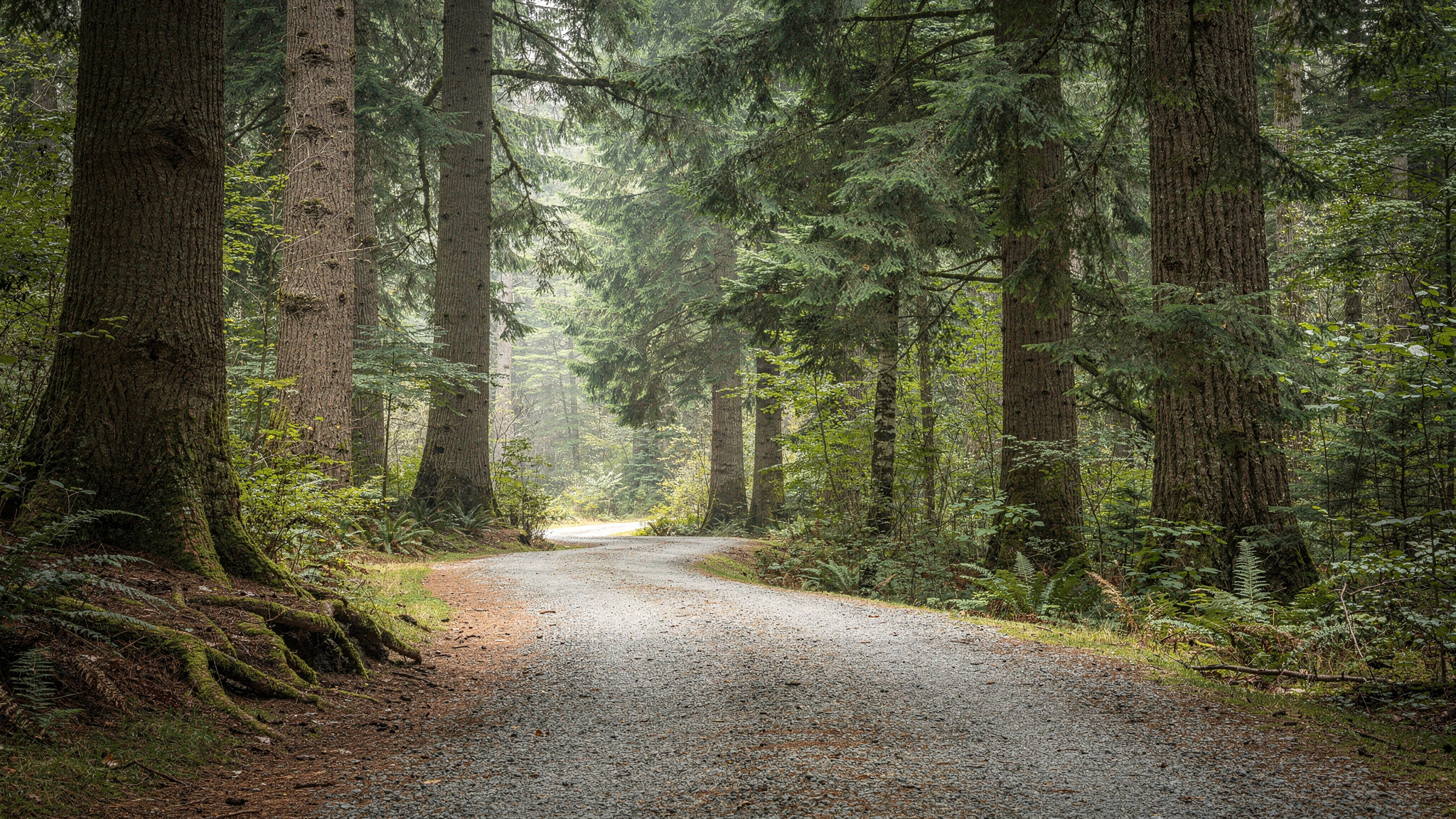
Watershed Park sits in North Delta at 11600 Kittson Parkway, and it is the largest park in the municipality by a wide margin. The park is built around Cougar Creek and the forest that surrounds it, with a network of gravel and packed-earth trails running through stands of Douglas fir, western hemlock, and western red cedar. It borders Burns Bog to the south, and the two protected areas together form one of the biggest continuous stretches of undeveloped land left in Delta.
Unlike Delta’s beach parks and bird sanctuaries, Watershed Park is a forest park first. Visitors come for shaded walks, trail running, cycling, and the kind of quiet that is harder to find at the municipality’s more famous waterfront destinations. It draws a mix of dog walkers, mountain bikers, joggers, and families looking for a shorter loop, all sharing a trail system that ranges from wide gravel fire roads to narrower forest paths.
The Trail System: What You Will Actually Walk
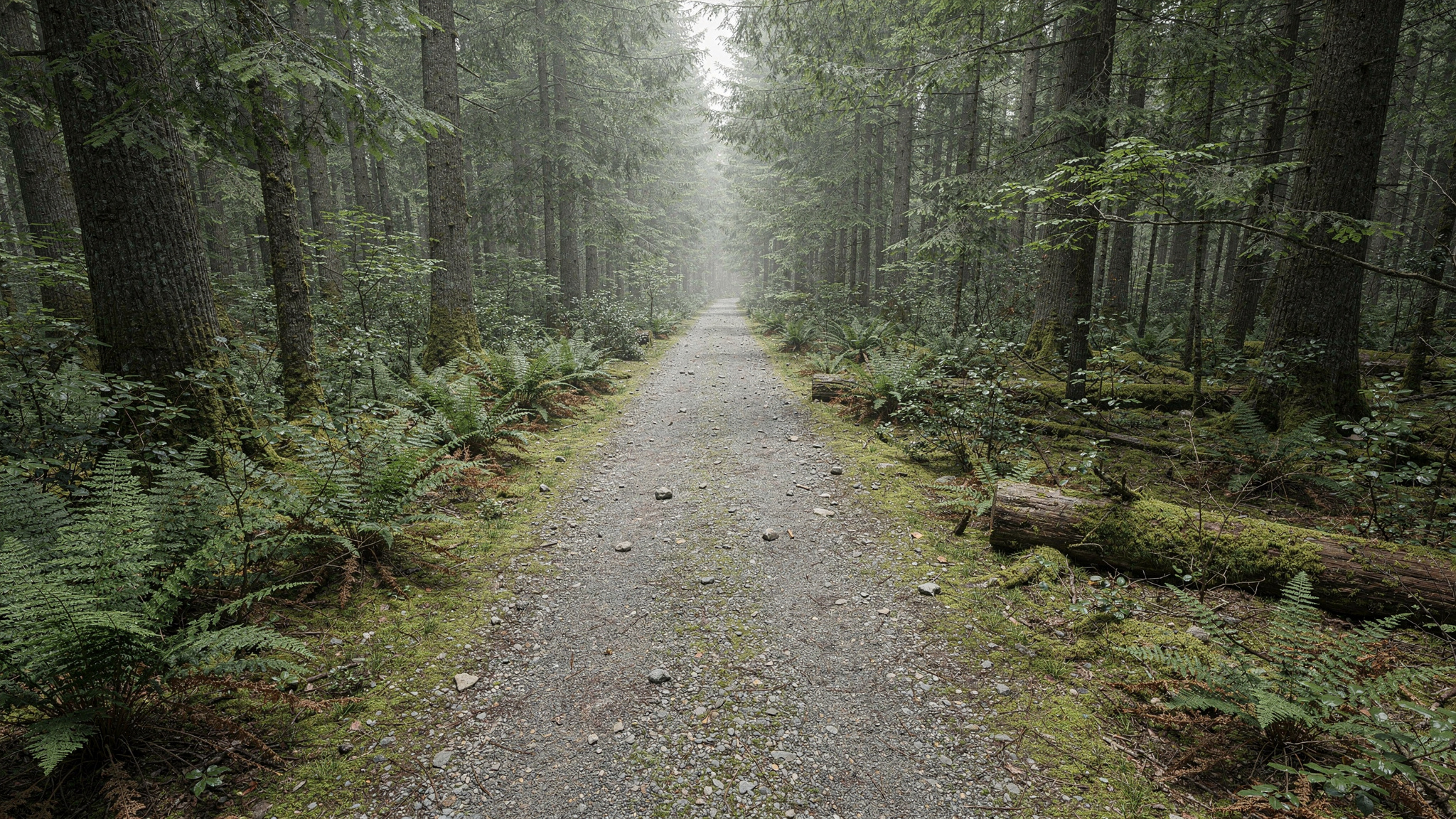
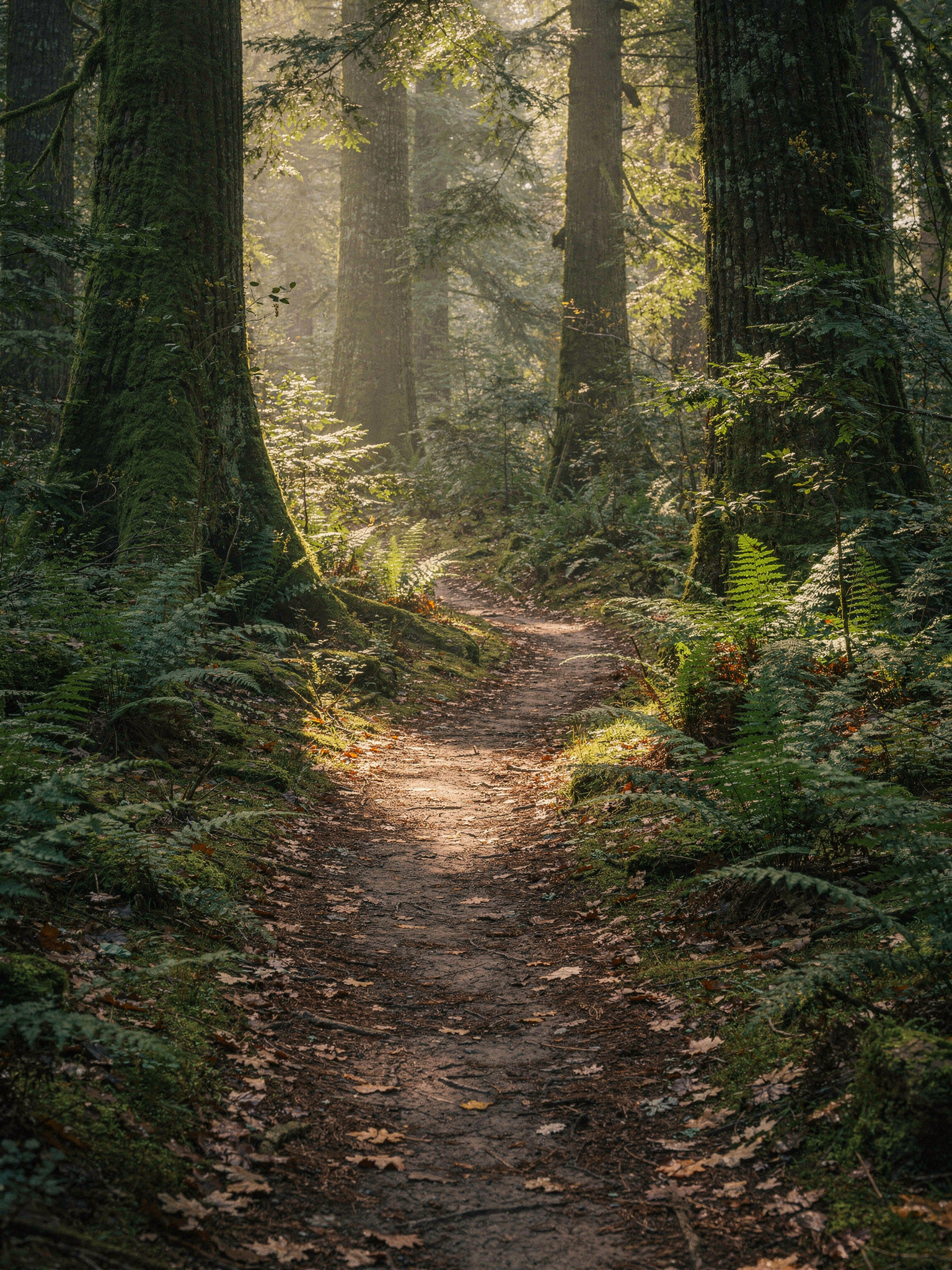
Watershed Park’s trail network totals roughly 11 kilometres, made up of named routes including the Lower, Upper, Canyon, Water Tower, Pinewood, Shed Bike, Gravity Bowl, and Briarwood trails. Some sections are hiking-only, while others are shared multi-use trails open to hikers, cyclists, and horseback riders. The Water Tower trail has been paved by the City of Delta, making it one of the more accessible routes in the park, while much of the rest of the network is gravel or packed earth.
Trail surfaces and difficulty vary more than you might expect for a municipal park. Wide gravel sections make for easy walking, but the terrain generally slopes toward the southwest, so there are steeper stretches and narrower forest paths mixed into the system as well. Cougar Creek runs through the park, and low-lying sections near the creek can flood or turn muddy after heavy rain, so waterproof footwear is worth having outside of the drier summer months.
Because the trail system is extensive and not always clearly signed, it is easy to lose track of which loop you are on. Picking up a trail map before you set out, or downloading one from the City of Delta’s website, makes the visit considerably less confusing, particularly if you plan to explore beyond the main loop near the Kittson Parkway entrance.
The Meadow and Mud Bay Views
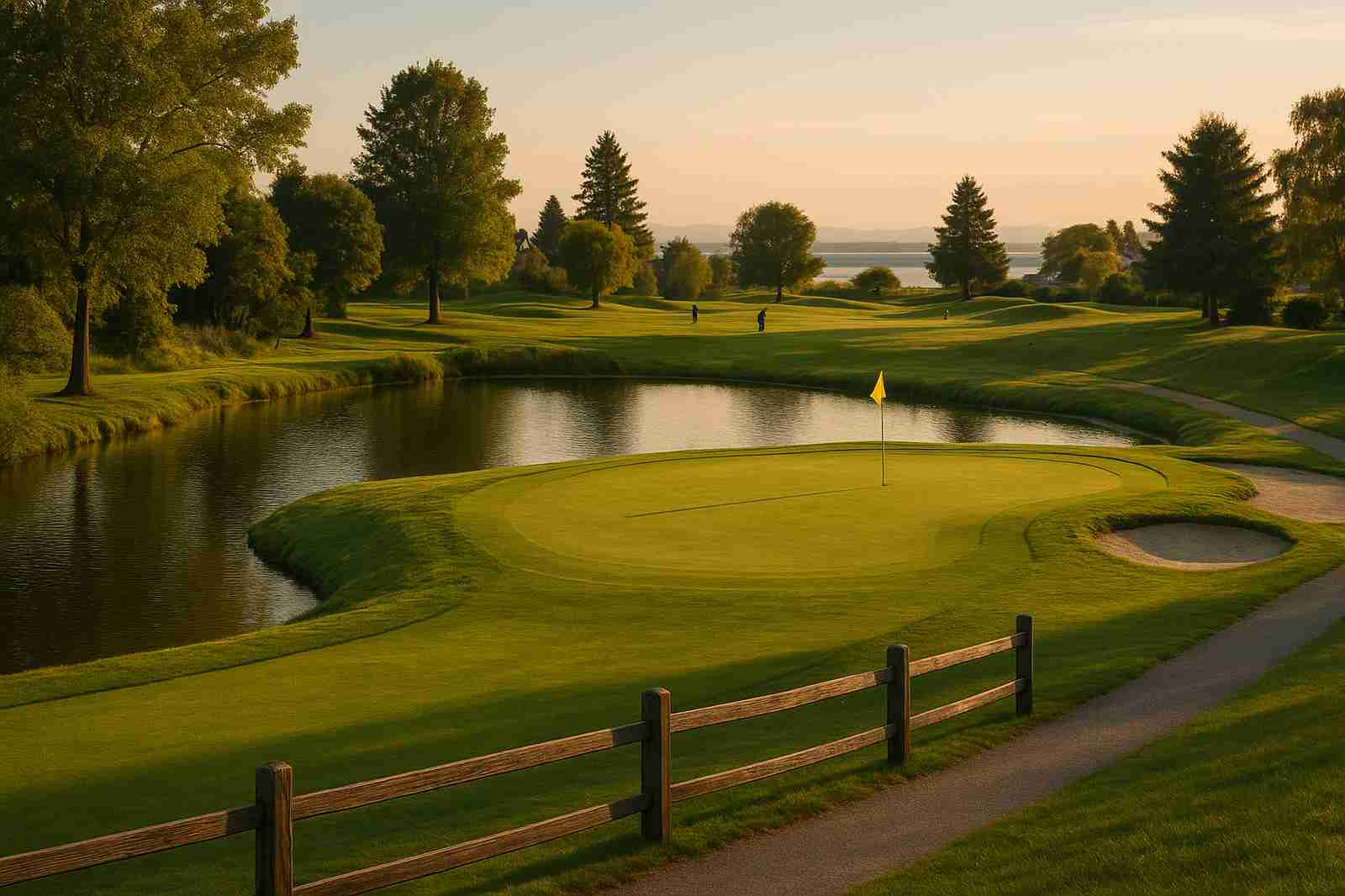
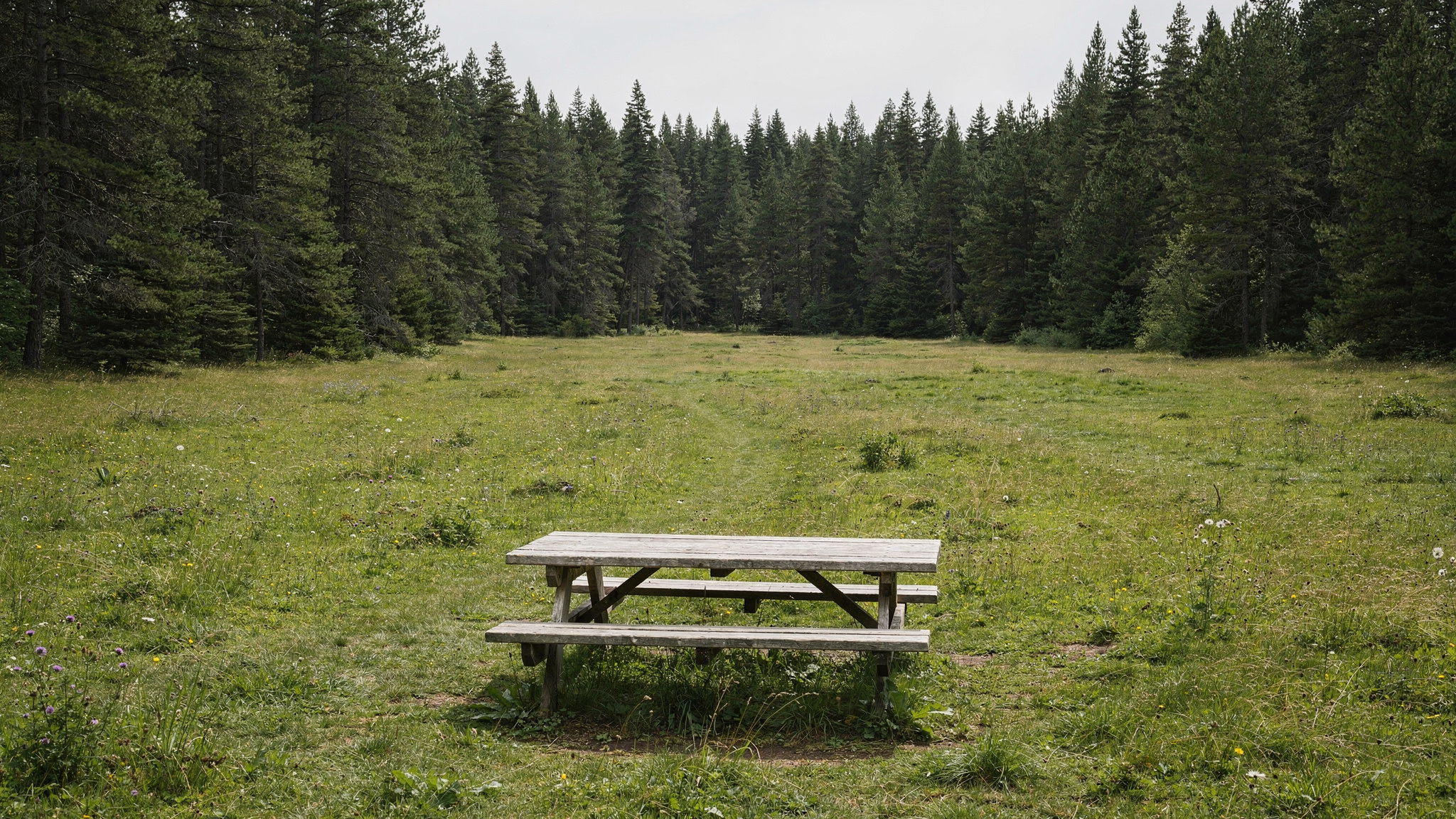
At the heart of the park is an open grassy clearing known as The Meadow, a picnic area with tables and benches that offers a viewpoint looking out toward Mud Bay. It is a natural rest stop partway through a longer walk and one of the few places in the park where the forest opens up to a wider view. Packing a lunch and stopping here is a popular way to break up a visit.
The contrast between the dense, shaded forest trails and this open lookout is part of what makes Watershed Park distinct from Delta’s other natural spaces. Where Boundary Bay and the Reifel sanctuary are defined by open water and sky, Watershed Park is defined by tree cover, and The Meadow is the exception that gives you a horizon.
A pavilion near this part of the park can be booked for day-use gatherings, and the City of Delta also permits overnight camping bookings for Girl Guides and Scouts Canada groups. Anyone planning a group outing or event at the park should contact the City directly to check availability and fees, since reservation details are handled through the municipality rather than posted on site.
A Working Watershed: Springs, Aquifer, and Drinking Water
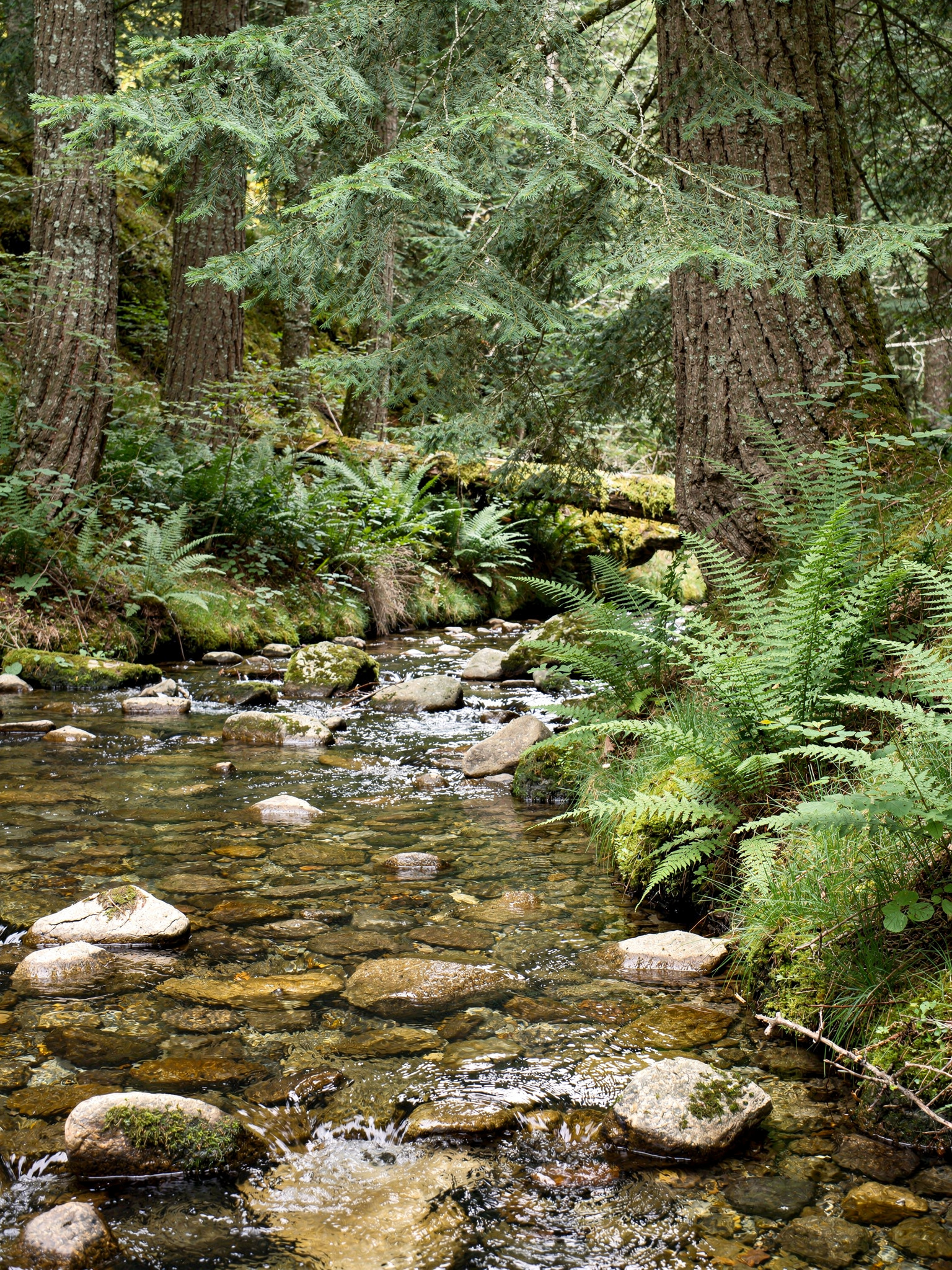
The park’s name is not incidental. Historically, artesian springs on the site have been supplying water to the surrounding area since 1910, originally serving the Ladner and Kittson Parkway areas. Delta no longer exports this water to Ladner, but the springs still contribute a small share, historically cited at around 5 percent, of the municipality’s drinking water supply.
The springs exist because of an aquifer beneath the park, a layer of gravel and sand holding pressurized groundwater under a thick layer of clay. Water filters through these layers and emerges naturally at the surface in places, which is what gives the park its name and its long-standing role in Delta’s water infrastructure. It is a rare example of a working piece of municipal water infrastructure sitting inside a public recreational forest.
That dual identity, part protected forest and part active watershed, is also why the park connects conceptually to Burns Bog next door. Both sites protect some of the last significant undeveloped watercourses and wetland habitat in North Delta, and together they anchor the ecological character of this part of the municipality.
Wildlife, Forest Character, and What to Bring
The forest itself is the park’s main draw for many regular visitors. Large stands of old Douglas fir stand alongside western hemlock and western red cedar, and the shade they provide makes the park a noticeably cooler option on hot summer days. The overall feel is closer to a coastal BC forest hike than a manicured city park, even though it sits inside a residential part of North Delta.
Cougar Creek supports salmon, and the City of Delta runs an annual Watershed Park Fish Release event, typically held each April, with interpretive signage set up along the creek to explain salmon life stages and habitat. It is a good example of how the park doubles as a low-key environmental education site as well as a recreational one.
Because trail conditions vary with the seasons, and because the west side of the creek trail can be prone to flooding after heavy rain, checking current conditions before a visit is worthwhile, especially in winter. Bring layers, wear shoes you do not mind getting muddy, and expect the park to be busier with cyclists and dog walkers on weekends.
Planning Your Visit
Watershed Park is open daily, typically from 8 a.m. to 10 p.m., and parking is available near the Kittson Parkway, Pinewood, and Lower Watershed entrances. Because the park spans a large area with multiple entry points, deciding where to park first will shape which trails are most convenient for your visit.
If you are new to the park, starting from the Kittson Parkway entrance near the Upper trail gives easy access to The Meadow and a good sense of the main loop before you decide whether to explore the steeper or more technical side trails. The City of Delta’s official Watershed Park page has current trail maps, hours, and pavilion booking information.
The park is genuinely large enough that a single visit will not cover all of it. Many regular users treat it the way they would a small regional park, returning for different trail sections, different seasons, and different reasons, from a quick lunchtime walk to a longer weekend ride.
Watershed Park Tips
Grab a trail map before you go. The network of named trails is extensive and not always well signed at junctions, and a map from the City of Delta makes it much easier to plan a loop of the right length instead of guessing at intersections.
Wear shoes suited to mixed terrain. Trail surfaces shift between wide gravel, packed earth, and narrower forest paths, and low areas near Cougar Creek can be muddy or flooded after rain, particularly in the fall and winter months.
Pack a picnic for The Meadow. It is the one spot in the park with an open view, looking out toward Mud Bay, and it makes a natural halfway point on a longer walk or ride.
This is a shared trail system. Hikers, cyclists, and horseback riders all use parts of the network, so stay aware on multi-use sections and keep dogs leashed where required, especially near other trail users on narrower paths.
Questions Often Asked
How long are the trails at Watershed Park?
The park’s trail network totals roughly 11 kilometres, spread across named routes including the Lower, Upper, Canyon, Water Tower, Pinewood, Shed Bike, Gravity Bowl, and Briarwood trails. Surfaces range from paved and gravel sections to narrower packed-earth forest paths, so actual walking time depends heavily on which loop you choose.
Where is Watershed Park and how do you get there?
Watershed Park is located at 11600 Kittson Parkway in North Delta. Parking is available near the Kittson Parkway, Pinewood, and Lower Watershed entrances, and it is Delta’s largest park, bordering Burns Bog to the south.
Is Watershed Park good for dogs?
Yes, it is a popular spot for dog walkers thanks to its shaded trails and size, though sections of the trail network are shared with cyclists and horseback riders, so keeping dogs leashed on multi-use trails is recommended. For more dog-friendly spots around the municipality, see our guide to Delta dog parks and pet services.
Can you swim or picnic at Watershed Park?
There are picnic tables and benches at The Meadow, a grassy clearing with a viewpoint toward Mud Bay, and a pavilion nearby that can be booked for day-use gatherings through the City of Delta. The park is not set up as a formal swimming destination, so anyone visiting for water access should treat it primarily as a forest and trail park rather than a beach.
What is the history behind Watershed Park’s name?
The park sits above artesian springs that have supplied drinking water to the area since 1910, originally serving the Ladner and Kittson Parkway areas. The springs still historically contribute a small share of Delta’s municipal water supply today, which is why the park carries the name Watershed Park rather than a more generic park name.