

The George C. Reifel Migratory Bird Sanctuary sits on Westham Island at the mouth of the Fraser River in Delta, connected to Ladner by the Westham Island Bridge. The sanctuary protects a significant portion of the Fraser River Delta wetlands and receives more than 300 species of birds throughout the year, with peak visitation during the fall and winter when migratory species congregate in large numbers. It is operated by the British Columbia Waterfowl Society and is one of the most accessible wildlife sanctuaries in the province.
Reifel attracts two distinct visitor types: serious birders who track the species lists and plan visits around migration timing, and families and casual visitors who come for the experience of having birds eat from their hands in a managed environment. Both groups have a genuinely good time, which is why Reifel has built a reputation as one of the better family-friendly wildlife experiences in BC despite being a working wildlife sanctuary rather than a zoo or petting farm.
What to Expect: The Sanctuary Layout and Experience
The sanctuary consists of a series of managed wetland cells, dyke trails, and open habitats that total around 340 hectares. The trail system is entirely flat and paved or well-maintained gravel, making it accessible for strollers, wheelchairs, and visitors of all mobility levels. The main trail loop takes roughly an hour to walk at a relaxed pace, though birders often spend considerably longer. The entrance includes a small visitor centre, a gift shop, and feeding stations where birds congregate.
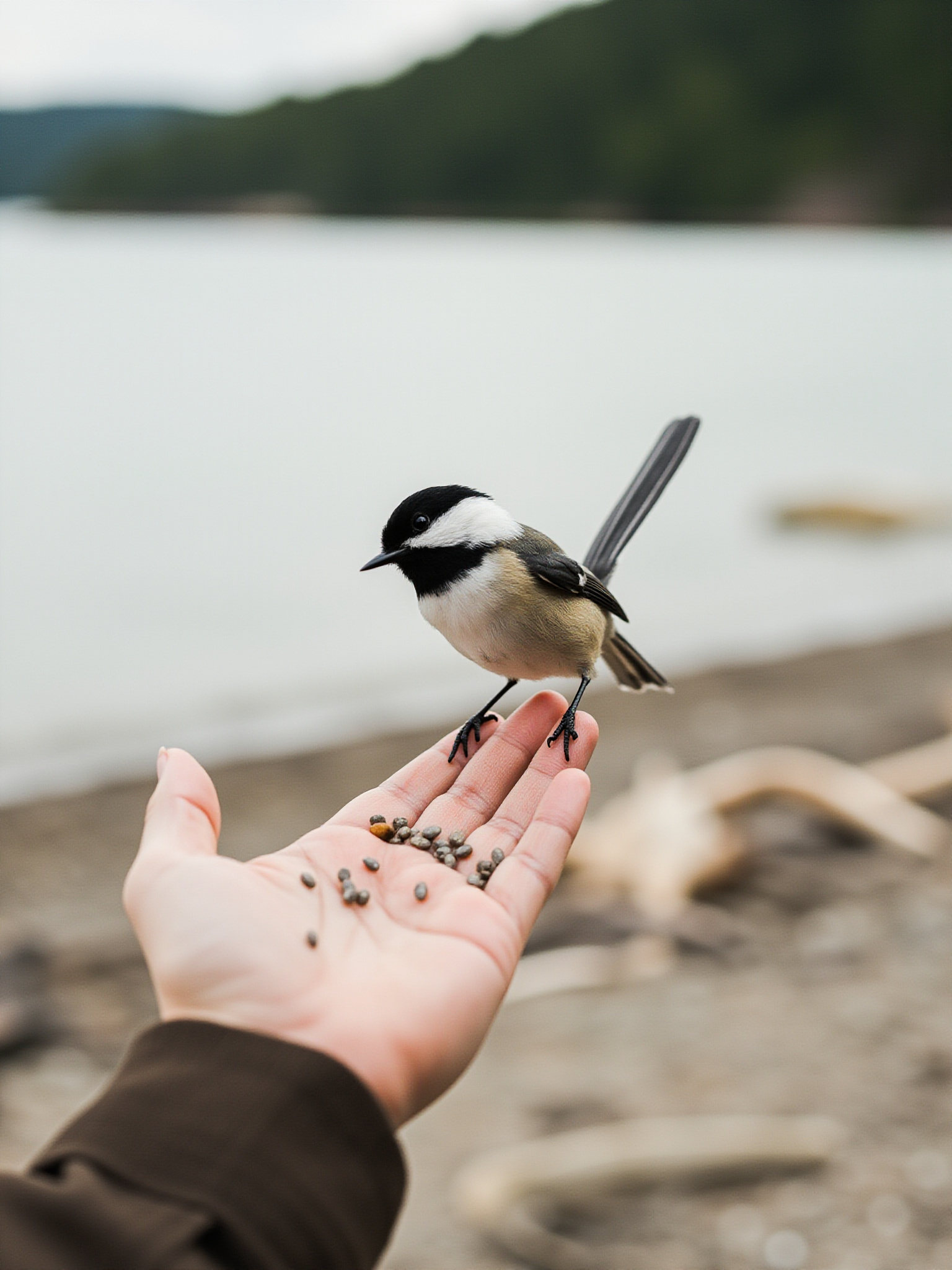
The bird feeding culture at Reifel is distinctive. The sanctuary sells small bags of feed at the entrance and encourages visitors to hand-feed the birds in designated areas. Chickadees and nuthatches will land on an outstretched hand, and the semi-tame snow geese and sandhill cranes wander the trails among visitors. For children in particular, this is an immediately engaging experience that requires no specialist knowledge and delivers memorable wildlife contact.
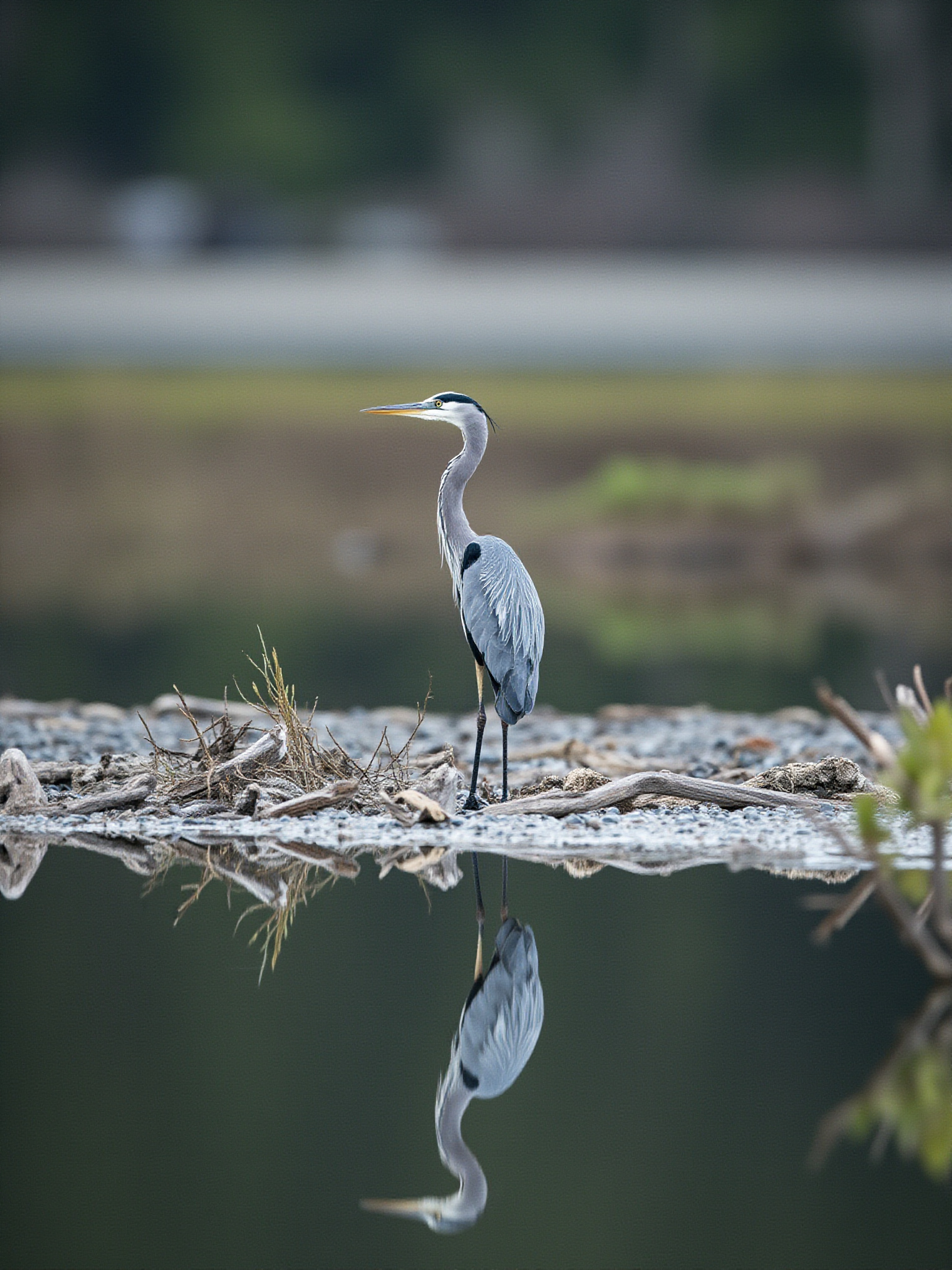
The birding quality beyond the feeding areas is also high. The managed wetland cells support waterfowl year-round, and the dyke trails along the sanctuary edges provide good observation points over the sloughs and Fraser River channels. Serious birders supplement the managed areas with walks along the outer dyke, where less habituated species can be found in less disturbed habitat.
The Winter Spectacle: Snow Geese and Sandhill Cranes
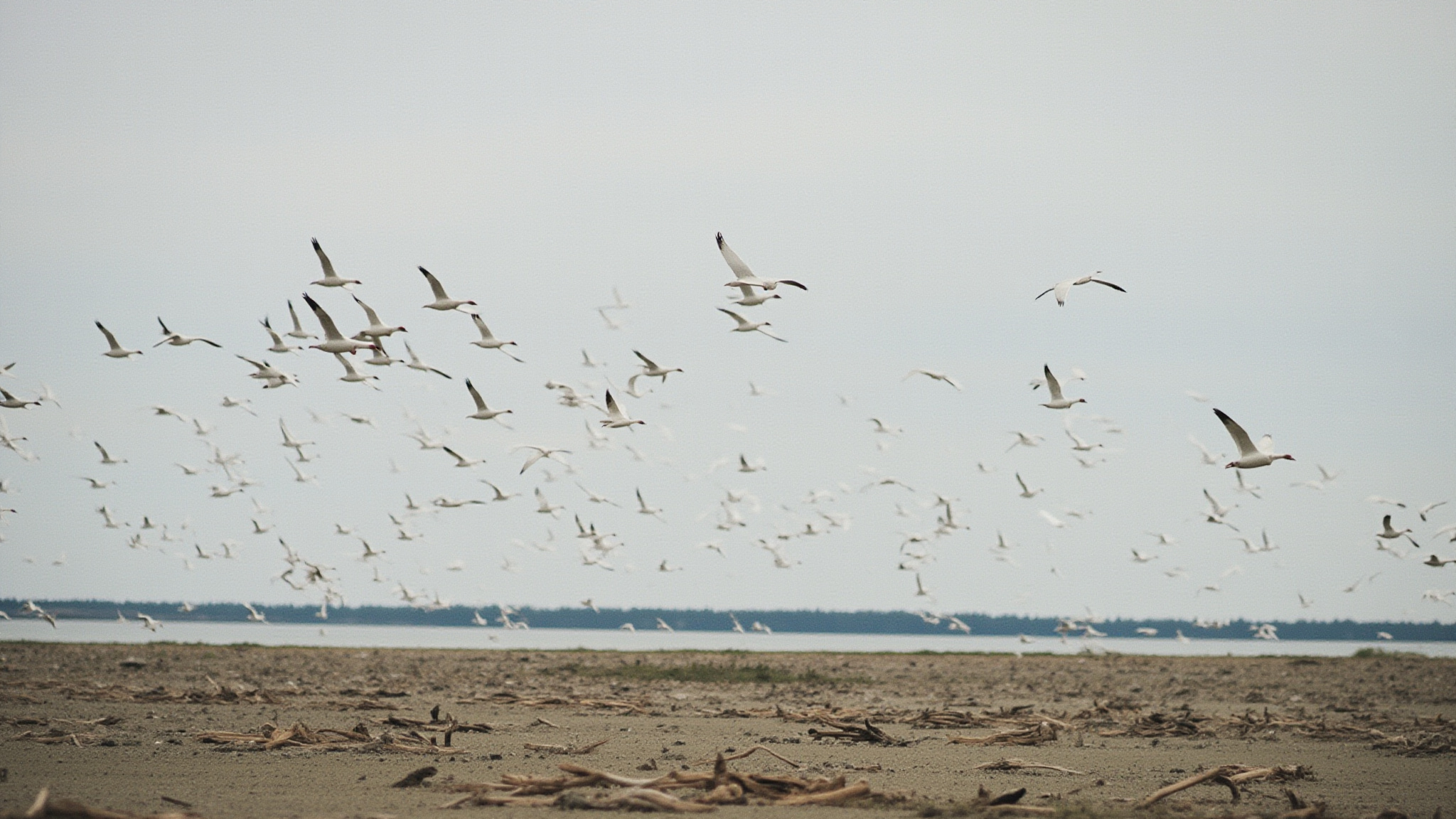
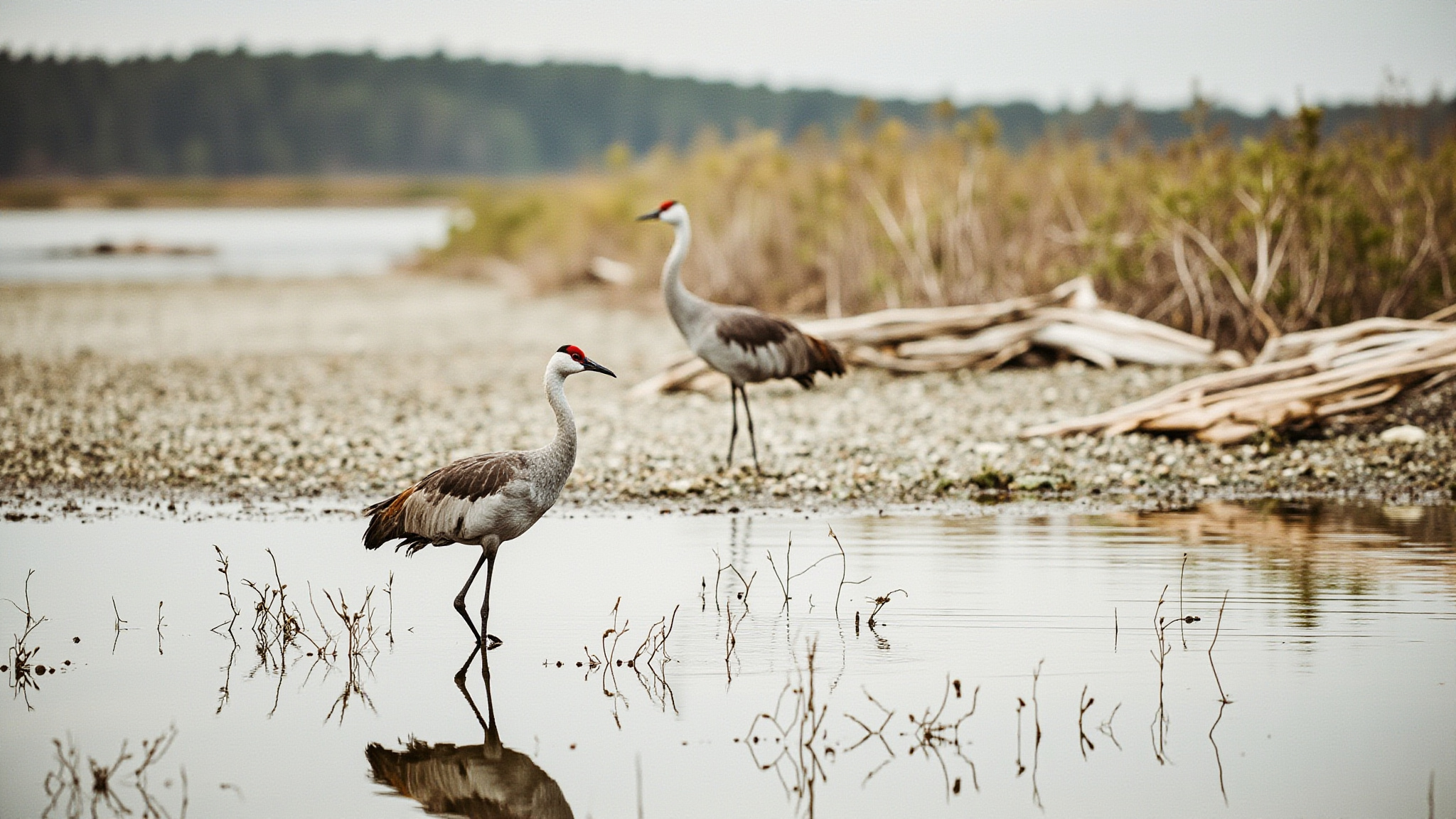
Reifel is most famous for its winter concentrations of snow geese and sandhill cranes, which attract visitors from across BC and beyond. The lesser snow goose arrives from its Arctic breeding grounds in October and can reach peak numbers of several thousand birds in the sanctuary and the surrounding Westham Island farmland. The sandhill crane concentration, while smaller in number, is visually dramatic for the birds’ size, noise, and charismatic behaviour.
The snow goose flights at dusk and dawn are one of the signature wildlife spectacles of the Lower Mainland. Thousands of birds leaving or returning to the sanctuary roost sites in large loose formations produce a noise and visual display that is memorable even by BC wildlife standards. The late afternoon visits from October through January are specifically timed to see this, and many repeat visitors plan their visits for the hour before dusk during peak goose season.
The sandhill cranes are more approachable and wander the sanctuary grounds in family groups, occasionally accepting food from visitors. They are among the most telegenic birds in the sanctuary and reward patient observers with extended looks. The crane population at Reifel is a reliable part of the late October through November experience, transitioning as some birds winter in the area while others continue south.
Year-Round Birding: What to Expect by Season
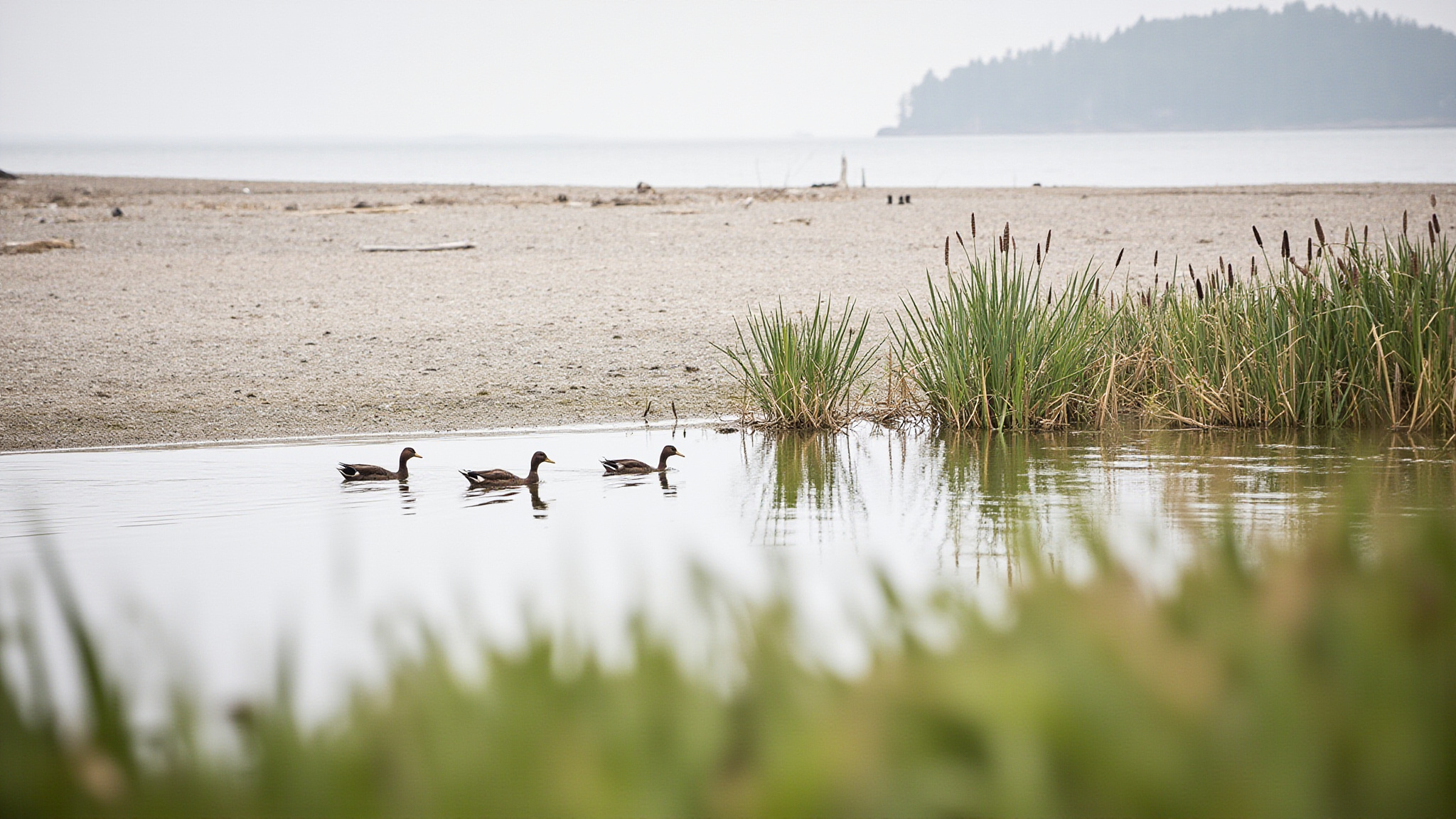
Fall migration from September through November brings the widest variety of species and the highest visitor numbers. Shorebirds on the managed wetland cells, ducks and geese in the ponds and sloughs, raptors hunting over the agricultural land, and the beginning of the winter species arrivals overlap during this period. October is generally the peak month for overall species diversity and visitor interest.
Winter from December through February offers the most consistent large-number experience, focused on waterfowl. Ducks of a dozen or more species use the sanctuary ponds alongside the geese and cranes. Bald eagles are a constant presence, and short-eared owls hunt the dyke edges in the late afternoon. The sanctuary is quieter in terms of visitor numbers during winter but the birding quality remains high.
Spring migration from March through May brings a different set of species, including many songbirds passing through on their way north. Nesting season activates the resident species, with bitterns, coots, and various duck species raising young in the managed wetlands. Summer is the quietest birding season but the sanctuary remains open and the resident species are present, with young of the year adding interest.
Getting to Reifel and Practical Information
The sanctuary is located on Westham Island, accessible via the Westham Island Bridge from Ladner. From Highway 99, take the Ladner Trunk Road exit, continue through Ladner, and cross onto Westham Island. The sanctuary is approximately 6 kilometres from central Ladner on a road that passes through active farmland. Signage is clear once you are on Westham Island Bridge Road.
The sanctuary charges an entrance fee, with discounts for children and seniors. The fee is collected at the entrance hut and includes access to the full trail system and visitor centre. The British Columbia Waterfowl Society, which operates the sanctuary, depends substantially on entrance fees and memberships for its conservation work. Annual memberships provide unlimited access and are worth considering for regular visitors.
The sanctuary is open every day of the year except Christmas Day, typically from 9 a.m. to 4 p.m. in winter and slightly extended hours in summer. The parking lot has moderate capacity and can fill on busy weekend mornings during peak snow goose season. Arriving when the sanctuary opens provides the best combination of parking availability, wildlife activity, and light for photography.
Planning Your Reifel Visit
October and November are the best months for a first visit, combining the snow goose arrival, shorebird lingerers, early winter ducks, and generally favourable fall light. Timing your visit for the hour before the sanctuary closes gives the best chance of seeing the goose flight at dusk. This is the experience most frequently cited by returning visitors as the reason they keep coming back.
Bring more cracked corn or feed than you think you need. The hand-feeding of chickadees and nuthatches requires patience, particularly for children, and having enough feed to sustain the activity is important. The sanctuary sells feed at the entrance, but buying additional bags before walking the trail saves a return trip.
Photography at Reifel is rewarding but benefits from a longer lens than most casual visitors bring. A 200mm or 300mm lens reaches the birds at a natural distance without requiring you to crowd them. The low winter light and the reflective water surfaces make morning and afternoon visits better than midday for photography.
Reifel Sanctuary Tips
Go in the late afternoon from October through January for the snow goose evening flight. This is the most dramatic wildlife spectacle at the sanctuary and it is free once you have paid your entrance fee. The birds begin moving as the light drops, and the noise and scale of the flight is something that impresses virtually everyone who witnesses it.
Bring rubber boots or waterproof footwear in fall and winter. The trails are well maintained but the edges and some sections of the dyke can be muddy, and getting your shoes wet early in a two-hour visit degrades the experience considerably. The wetland smells are also part of the experience, and footwear that you do not mind getting dirty is advisable.
The sanctuary is excellent for families with children aged five and up who have an interest in animals. The combination of hand-feeding smaller birds and having sandhill cranes and geese wander past at close range provides the kind of direct wildlife contact that is otherwise difficult to arrange in a safe, managed setting. The flat, accessible trails also mean strollers and younger children can complete the full loop.
The Westham Island farmland surrounding the sanctuary is worth a slow drive through during the goose season. The agricultural fields adjacent to the island host overflow concentrations of snow geese and are where the raptors hunting the goose flocks tend to concentrate. A scope and patience on the road edges can produce excellent short-eared owl sightings in the late afternoon.
Questions Often Asked
Can you hand-feed birds at Reifel?
Yes. Hand-feeding chickadees and nuthatches is one of the most popular activities at Reifel, and the sanctuary encourages it. Bags of birdseed are available at the entrance. Chickadees in particular will land on an outstretched hand holding seed within a few minutes of patient waiting. The semi-tame geese and cranes also wander the trails and may approach visitors looking for food.
When is the best time to visit Reifel?
October and November offer the best combination of species diversity and dramatic wildlife moments, coinciding with the arrival of the snow geese and sandhill cranes from their Arctic breeding grounds. The late afternoon visit timed for the dusk goose flight is the most memorable experience the sanctuary offers. Winter visits from December through February feature good waterfowl numbers but without the migration spectacle.
How do you get to Reifel Bird Sanctuary from Vancouver?
The sanctuary is located on Westham Island near Ladner in Delta, approximately 45 to 60 minutes from Vancouver by car depending on traffic. Take Highway 99 south, exit at Ladner Trunk Road, follow through Ladner and across the Westham Island Bridge. The sanctuary is about 6 kilometres from central Ladner. There is no public transit route to the sanctuary, so a car is required.
Is Reifel Bird Sanctuary suitable for children?
Yes, particularly for children who have any interest in animals. The hand-feeding of chickadees and the close encounters with cranes and geese provide direct wildlife contact that children find genuinely exciting. The fully accessible flat trails mean strollers work throughout. The entrance fee is reduced for children, and the overall visit typically takes one to two hours at a pace suitable for young visitors.