

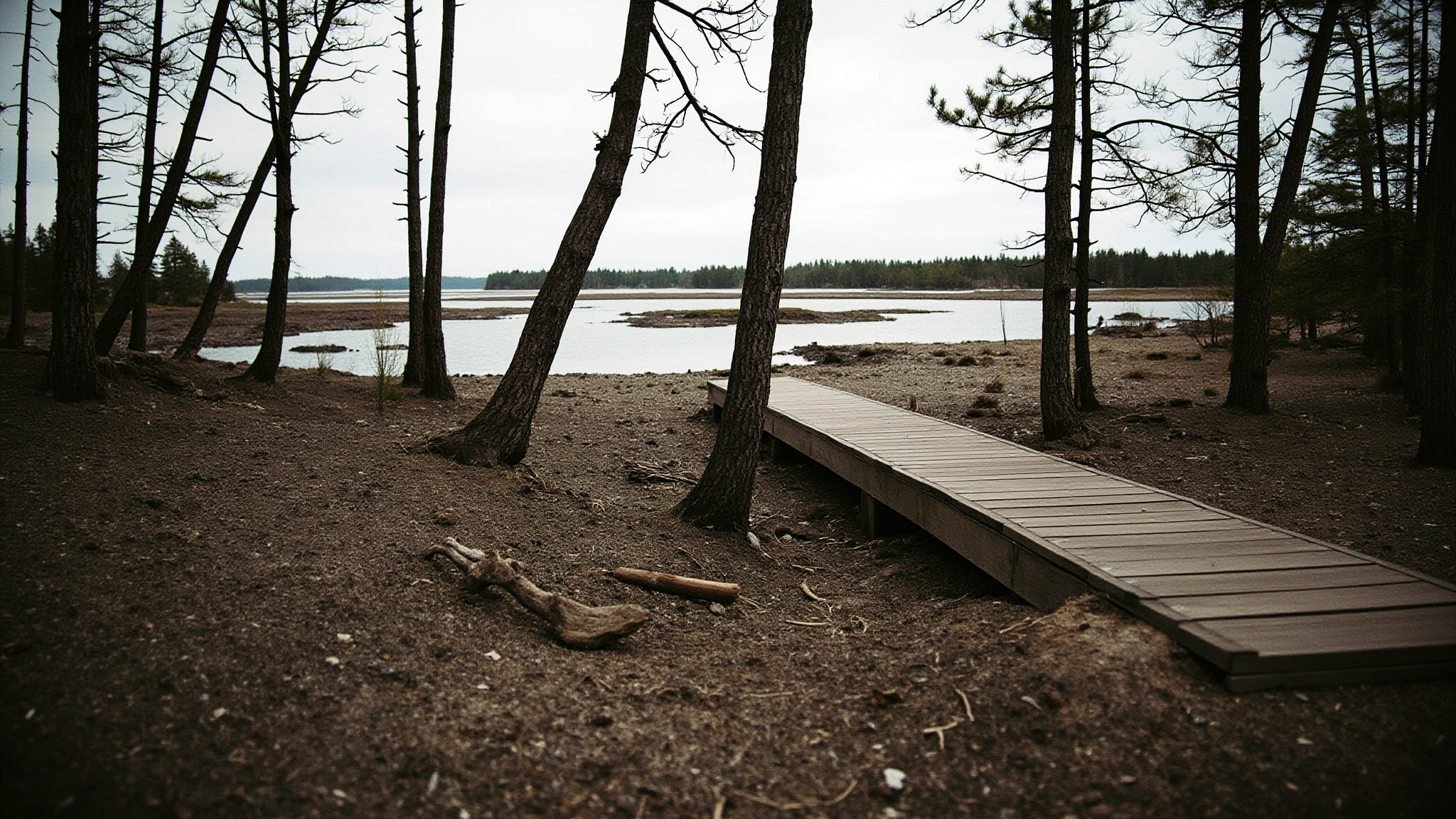
Burns Bog Ecological Reserve is one of the most unusual natural environments in Metro Vancouver and one of the most significant ecological areas in British Columbia. The raised peat bog occupies a large area of North Delta and is recognized for its rare bog ecosystem, which includes specialized plant communities, carbon sequestration function, and wildlife habitat that cannot be replicated once lost. The conservation of Burns Bog was a decades-long effort that involved considerable community advocacy, and the bog’s protected status since 2004 is a notable environmental win for the Lower Mainland.
The Delta Nature Reserve within Burns Bog, commonly called Burns Bog, is accessible to the public via a boardwalk trail maintained by the City of Delta. The boardwalk trail provides access into the bog environment without damaging the sensitive peat surface, allowing visitors to experience a genuinely unusual and immersive ecosystem while protecting it from the compaction and disturbance that unmanaged foot traffic would cause.
What Burns Bog Is and Why It Matters
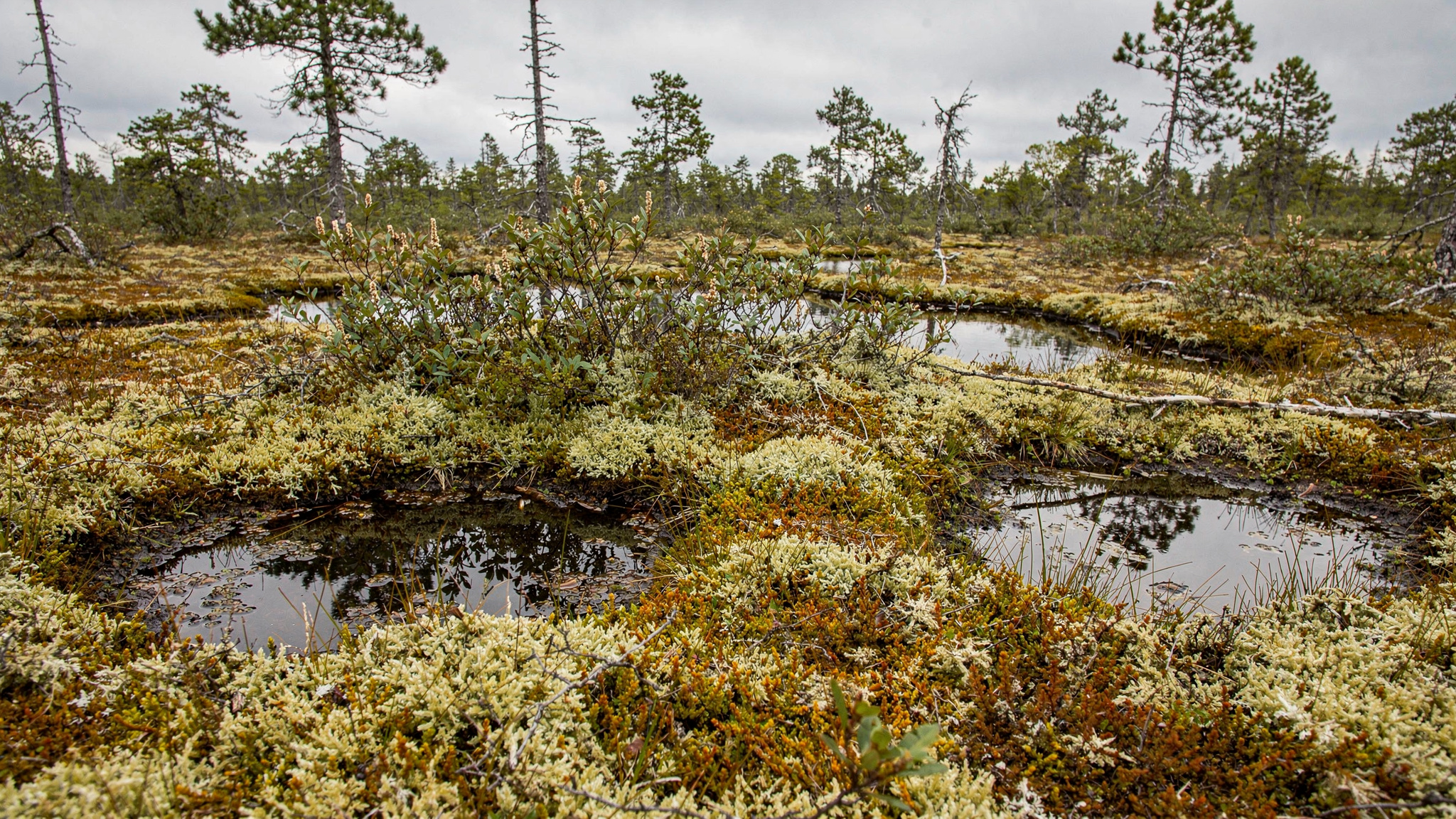
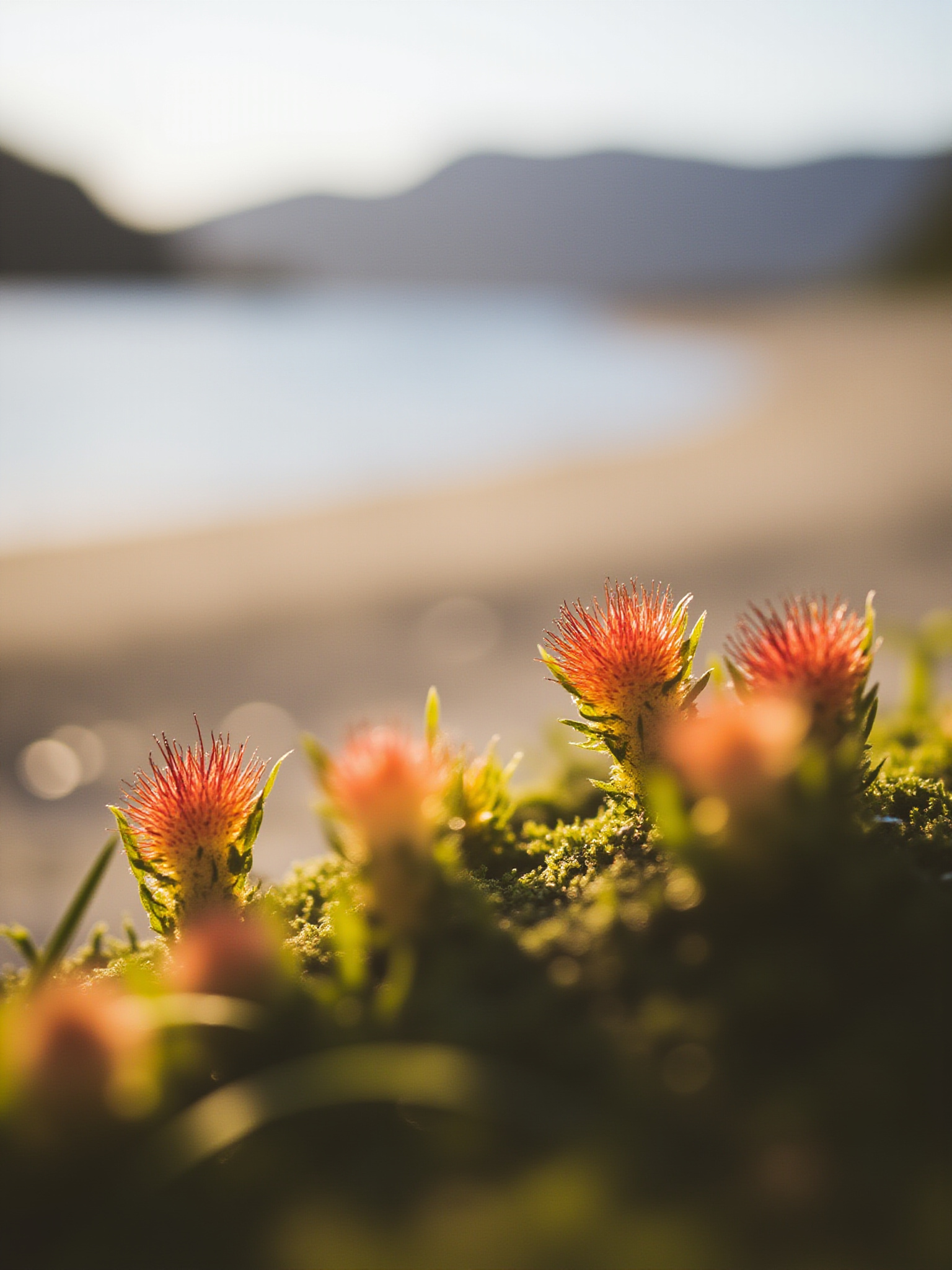
Burns Bog is a raised peat bog, which means the bog surface is slightly elevated above the surrounding landscape as a result of thousands of years of peat accumulation. The peat substrate is acidic and nutrient-poor, creating conditions that support a specialized plant community including sphagnum mosses, carnivorous sundews and bladderworts, Labrador tea, bog cranberry, and stunted lodgepole pine. These plants are adapted to the challenging bog conditions and are not found in the surrounding terrestrial environments.
The ecological significance of the bog extends beyond its unusual plant community. The peat stores large quantities of carbon accumulated over thousands of years, making Burns Bog a significant carbon sink in the Metro Vancouver landscape. The hydrology of the bog influences drainage patterns across North Delta, and the bog functions as a buffer against flooding and a filter for water moving through the landscape. These ecosystem services were part of the case for conservation made by advocates during the decades-long campaign to protect the bog from industrial development.
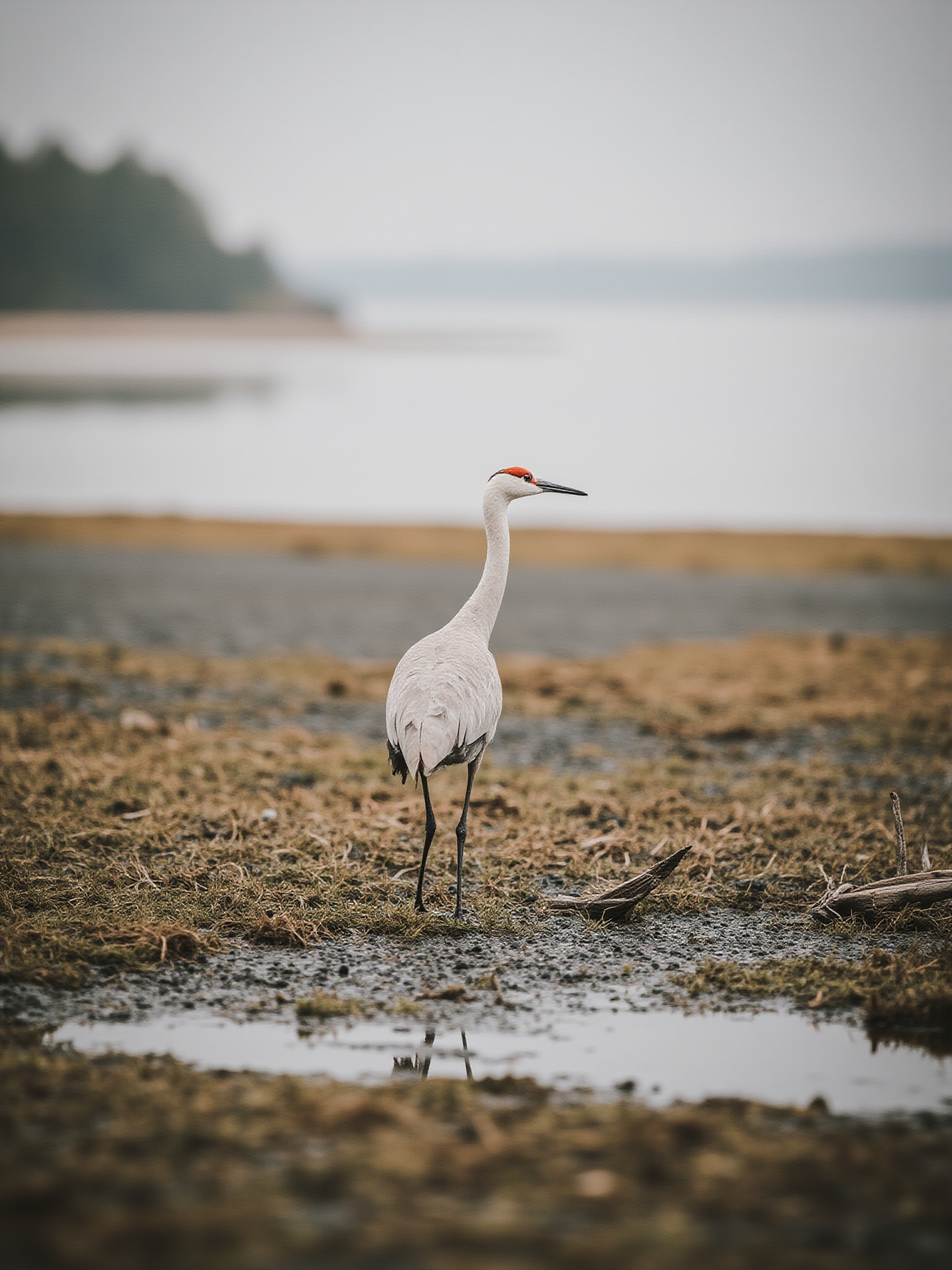
Wildlife in and around Burns Bog includes a variety of bird species that use the bog habitat and edges, including species that are uncommon in the surrounding urban landscape. Sandhill cranes, dunlin, and various waterfowl use the bog and its margins. The bog edge and the adjacent agricultural land of North Delta support raptors similar to those found at Boundary Bay. Black bears have been documented in the bog, using the area as movement corridor within the broader North Delta landscape.
The Boardwalk Trail: What to Expect
The Delta Nature Reserve boardwalk trail is the main public access point to Burns Bog. The boardwalk enters the bog from the visitors centre on 72nd Avenue in North Delta and extends into the bog interior, providing elevated access over the wet peat surface. The trail is flat and fully accessible for most mobility levels, though the floating sections can be slightly uneven and wet conditions in fall and winter can make surfaces slippery.
The boardwalk passes through several distinct zones of the bog, from the drier bog edge with stunted pine trees to the wetter interior with open pools, sphagnum carpets, and the characteristic insectivorous plants. The carnivorous sundews are a particular point of interest for younger visitors, though seeing them requires bending down and looking carefully at the moss surface. The best sundew viewing is in summer when the plants are actively growing and catching insects.
The current public trail is a relatively short loop that takes approximately 45 minutes to an hour at a relaxed pace. Longer exploration of the bog is limited by the boardwalk extent, which is the deliberate result of balancing public access with ecological protection. The boardwalk trail is enough to give a genuine sense of the bog environment without requiring extensive wilderness hiking experience or equipment.
Visiting the Delta Nature Reserve: Practical Information
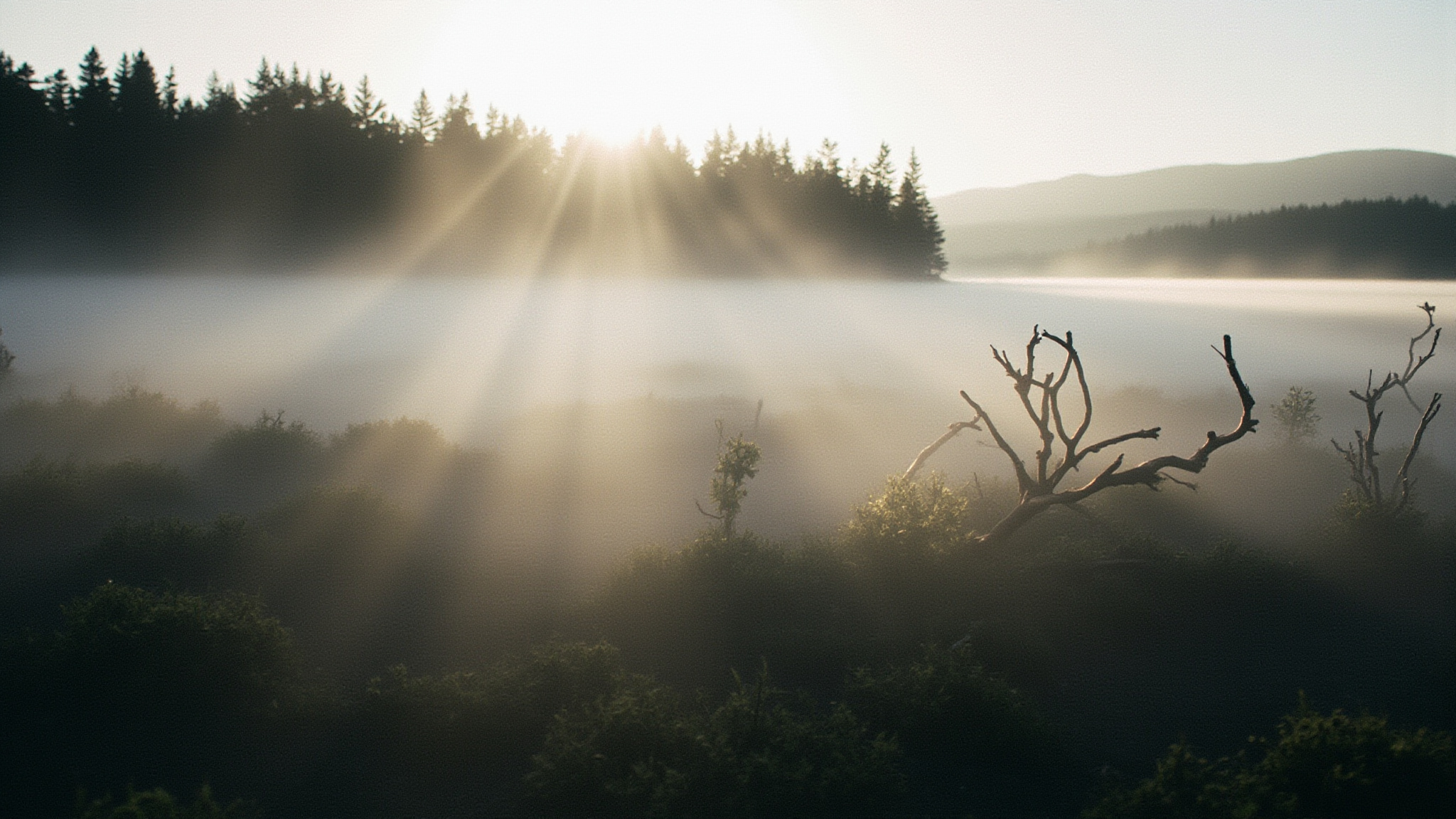
The main access to the Delta Nature Reserve boardwalk is from the visitors centre on 72nd Avenue in North Delta, near 116th Street. The visitors centre has parking, washrooms, and interpretive displays about the bog ecosystem and its conservation history. The centre is operated by the City of Delta and staff are available during open hours to answer questions about the bog and current conditions.
Dogs are not permitted in the Burns Bog Ecological Reserve, which includes the Delta Nature Reserve boardwalk area. This is a firm rule and clearly signposted at the entrance. The restriction exists because dogs disturb wildlife and can damage the sensitive bog vegetation. This means Burns Bog is not suitable for the dog-accompanying portion of the Metro Vancouver outdoor recreation community, and alternative walks in Delta’s dyke system should be planned for dog walkers.
The bog is open year-round, though the boardwalk can be wet and slippery in fall and winter and the open pools within the bog are most dramatic in winter when full. Summer visits offer the best plant observation conditions, with sundews and bog cranberry visible from the boardwalk. Bird activity is generally highest in spring and fall during migration periods.
Burns Bog Conservation History
The conservation of Burns Bog represents one of the more successful community-led conservation campaigns in BC history. The bog had been partially harvested for peat and faced ongoing development pressure for industrial use through the latter decades of the twentieth century. A coalition of environmental groups, community organizations, and local advocates mounted a sustained campaign for protection that eventually succeeded when the provincial and federal governments, the Metro Vancouver regional district, and the City of Delta collectively purchased and protected the bog in 2004.
The Burns Bog Conservation Society and related groups played a central role in raising public awareness of the bog’s ecological significance and in making the case for public investment in its protection. The conservation story is documented in the visitors centre and provides context for understanding why an area that looks, to an uninformed eye, like a scrubby patch of unimpressive vegetation was worth significant public expenditure to protect.
The bog continues to be actively managed and monitored, with restoration of areas that were previously harvested or disturbed. Invasive species management is an ongoing task, and hydrological restoration work has focused on returning water levels in disturbed sections to natural bog conditions. The ecological recovery of restored bog areas is a slow process measured in decades, which underscores why prevention of damage through strict access management is the primary conservation strategy.
Planning Your Burns Bog Visit
Visit in summer for the best plant observation experience. The sundews, bog cranberry, and Labrador tea are at their most visible and active from June through August, and the bog has a lush quality during the growing season that is quite different from the winter appearance. Summer mornings before the midday heat are the most comfortable time on the boardwalk.
Combine a Burns Bog visit with a drive through the North Delta agricultural areas adjacent to the bog if bird activity interests you. The fields around Burns Bog have attracted significant numbers of raptors in winter, and the open farmland east of the bog edge is worth scanning for sandhill cranes, which use both the bog and the adjacent agriculture.
Bring close-focus binoculars or a hand lens if you have them, particularly for children interested in the carnivorous plants. The sundews are small and rewarding with magnification but easy to miss without it. Interpreting the bog ecosystem for younger visitors is significantly easier with the ability to see the plant details clearly.
Burns Bog Tips
Do not bring dogs. The no-dog rule is strictly enforced and for good ecological reason, but visitors occasionally arrive with dogs expecting a standard park. Delta’s dyke trails along the Boundary Bay dyke and the Ladner waterfront welcome dogs on leash and are the appropriate Delta destination for dog walkers.
Wear appropriate footwear even though the trail is boardwalk. The raised surface can be wet and mossy, and footwear with grip is advisable in fall and winter. In summer, any comfortable walking shoe is adequate, but rubber soles with some grip are better than smooth-soled shoes on the boardwalk surface.
Read the interpretive signage along the boardwalk. The signs provide context for the plants, animals, and ecological processes of the bog that significantly enhances the experience beyond what you would observe without context. The conservation history signs are particularly worth reading given the unusual circumstances of how a large peat bog survived this close to Metro Vancouver.
Burns Bog is a genuinely unusual landscape for children who have not encountered a peat bog before. The combination of the slightly springy boardwalk over deep peat, the pools of dark tea-coloured water, the carnivorous plants, and the stunted trees in an open landscape is different enough from typical park experiences to be memorable and engaging without requiring any previous nature knowledge.
Questions Often Asked
What is Burns Bog?
Burns Bog is the largest raised peat bog in western North America, located in North Delta near the border with Richmond. It is protected as an ecological reserve managed by multiple levels of government and is open to the public via a boardwalk trail in the Delta Nature Reserve. The bog is significant for its rare plant community, carbon storage function, and wildlife habitat.
Can you walk through Burns Bog?
Yes. The Delta Nature Reserve has a boardwalk trail that provides public access into the bog interior without damaging the sensitive peat surface. The boardwalk is flat and accessible, taking approximately 45 minutes to an hour to complete at a relaxed pace. The trail is open year-round and accessed from the visitors centre on 72nd Avenue in North Delta.
Are dogs allowed at Burns Bog?
No. Dogs are not permitted in the Burns Bog Ecological Reserve, including the Delta Nature Reserve boardwalk area. The restriction is strictly enforced to protect the sensitive bog ecosystem and its wildlife. Delta’s dyke trail system along Boundary Bay and the Ladner waterfront are the appropriate alternatives for visitors walking with dogs.
What can you see at Burns Bog?
The bog features specialized plant communities including sphagnum mosses, carnivorous sundews and bladderworts, Labrador tea, bog cranberry, and stunted lodgepole pine. Wildlife in and around the bog includes sandhill cranes, various waterfowl, raptors, and occasionally black bears. The interpretive displays at the visitors centre provide context for understanding the bog ecosystem and its conservation history.