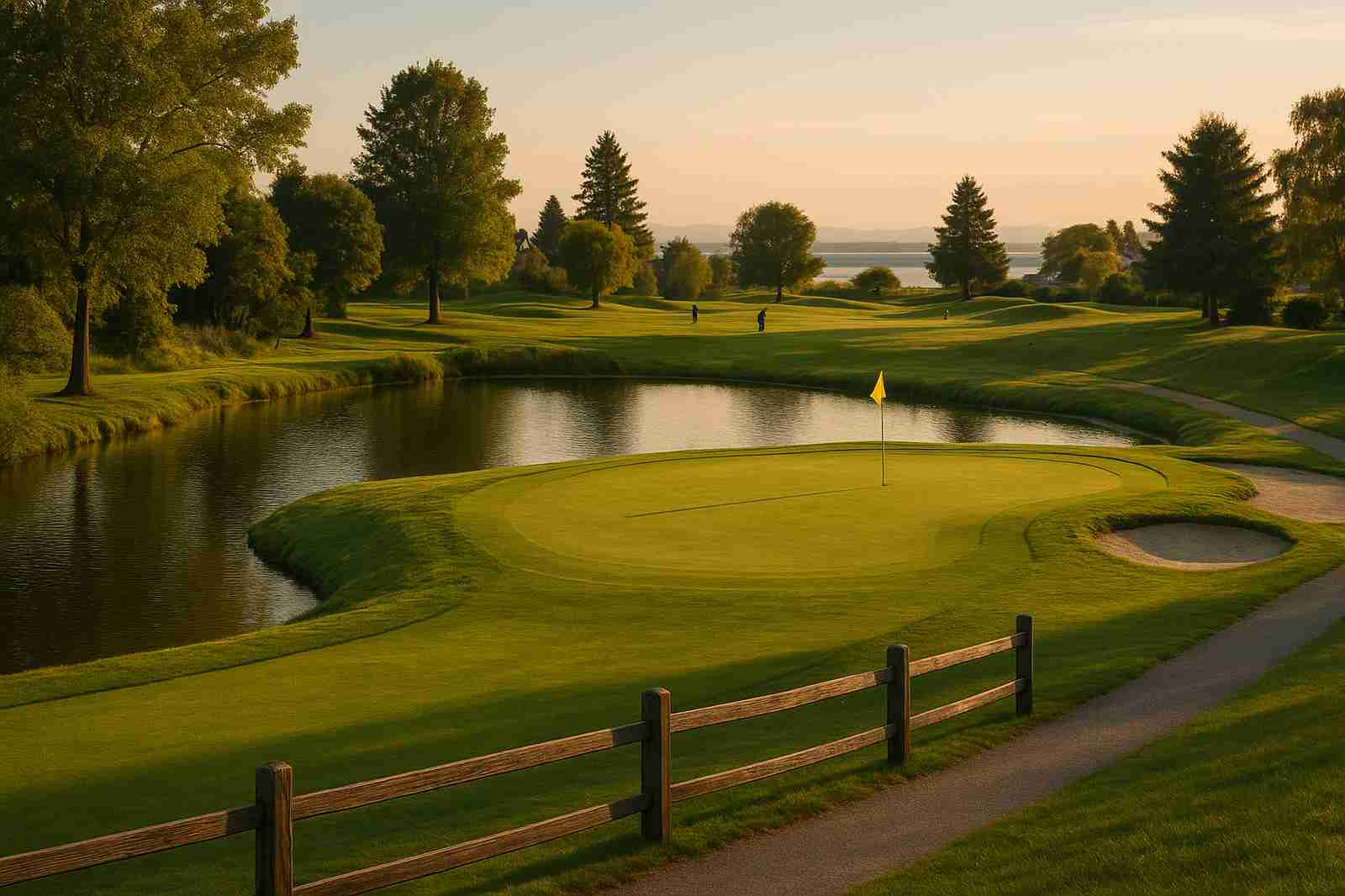


Boundary Bay Regional Park is the most significant outdoor destination in Delta and one of the best beach and nature parks in Metro Vancouver. The park runs along the southern edge of Tsawwassen with a beach stretching several kilometres, a dyke trail connecting the park to Roberts Bank and the wider Delta waterfront, and shallow tidal flats that warm considerably in summer, making Boundary Bay one of the few places in Metro Vancouver where the ocean is actually comfortable for swimming.
The park serves multiple communities simultaneously. Tsawwassen families use it as a summer beach destination. Birders from across BC and beyond visit in fall and winter for the massive shorebird and raptor concentrations that Boundary Bay is internationally known for. Cyclists use the dyke trail as a flat, traffic-free route connecting Tsawwassen to Ladner. Kite surfers use the open water and reliable afternoon winds. Understanding what Boundary Bay is at different seasons helps you plan the best visit for your purpose.
The Beach: Swimming, Walking, and Summer Atmosphere
Boundary Bay’s beach is distinguished by its tidal flats, which extend several hundred metres at low tide. This shallow water configuration means the ocean surface layer heats considerably more than typical BC coastal water, and on warm summer days the swimming area reaches temperatures that are genuinely comfortable rather than the bracing cold that characterizes most Metro Vancouver ocean beaches. Centennial Beach, the main access point with lifeguards and amenities in summer, is the most popular swimming spot and gets busy on hot weekend afternoons.
The beach environment changes dramatically with the tide. At low tide, the flats extend far out and wading is possible in warm shallow water across a wide area. At high tide, the beach narrows considerably and swimming is in deeper water closer to the dyke. Checking the tide table before visiting is worth the thirty seconds it takes, as a low tide visit and a high tide visit are genuinely different experiences. The Parks website and several tide apps provide accurate local tide data.
Outside the summer swimming season, the beach and dyke trail remain excellent for walking and cycling. The dyke provides an elevated view over the flat agricultural land of Delta on one side and the tidal flats and Boundary Bay on the other, with the Cascades and Mount Baker visible on clear days from the eastern sections of the trail. The walking is easy, flat, and consistently rewarding for the views.
Birding at Boundary Bay: One of BC’s Best Sites
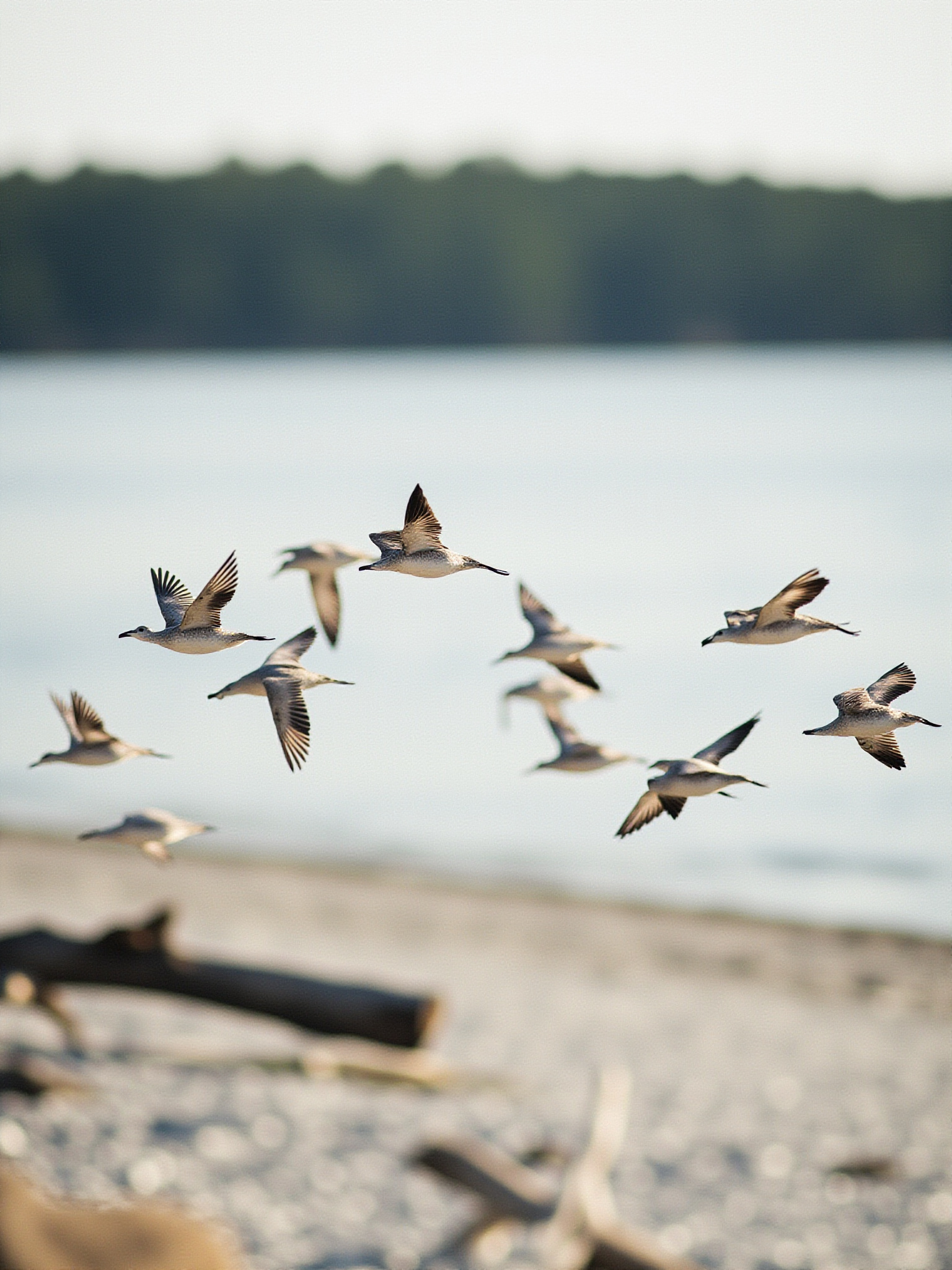
Boundary Bay is one of the most significant birding locations in British Columbia and receives recognition as an Important Bird Area. The tidal flats support enormous concentrations of shorebirds during spring and fall migration, with western sandpipers, dunlin, and dowitchers numbering in the hundreds of thousands at peak periods. The agricultural fields adjacent to the park support significant populations of raptors in winter, with peregrine falcons, short-eared owls, rough-legged hawks, and occasionally snowy owls drawing birders from considerable distances.
The winter raptor season from November through February is when Boundary Bay’s birding reaches its peak. The combination of the tidal flats and the Delta agricultural land creates a productive hunting ground for raptors, and the flat, open terrain makes observation easier than most Metro Vancouver birding locations. The dyke trail provides a good walking route with continuous views over the habitat, and the late afternoon hours before dusk are typically the most active period for raptor activity.
For first-time birders at Boundary Bay, the fall shorebird migration from late July through September is an accessible introduction. The numbers are impressive even to non-birders, the birds are close to the dyke at times, and the diversity of species ensures something interesting regardless of the specific conditions. The E-bird database has extensive records for Boundary Bay that can help with identifying what to expect at a given time of year.
Cycling and Active Recreation on the Dyke

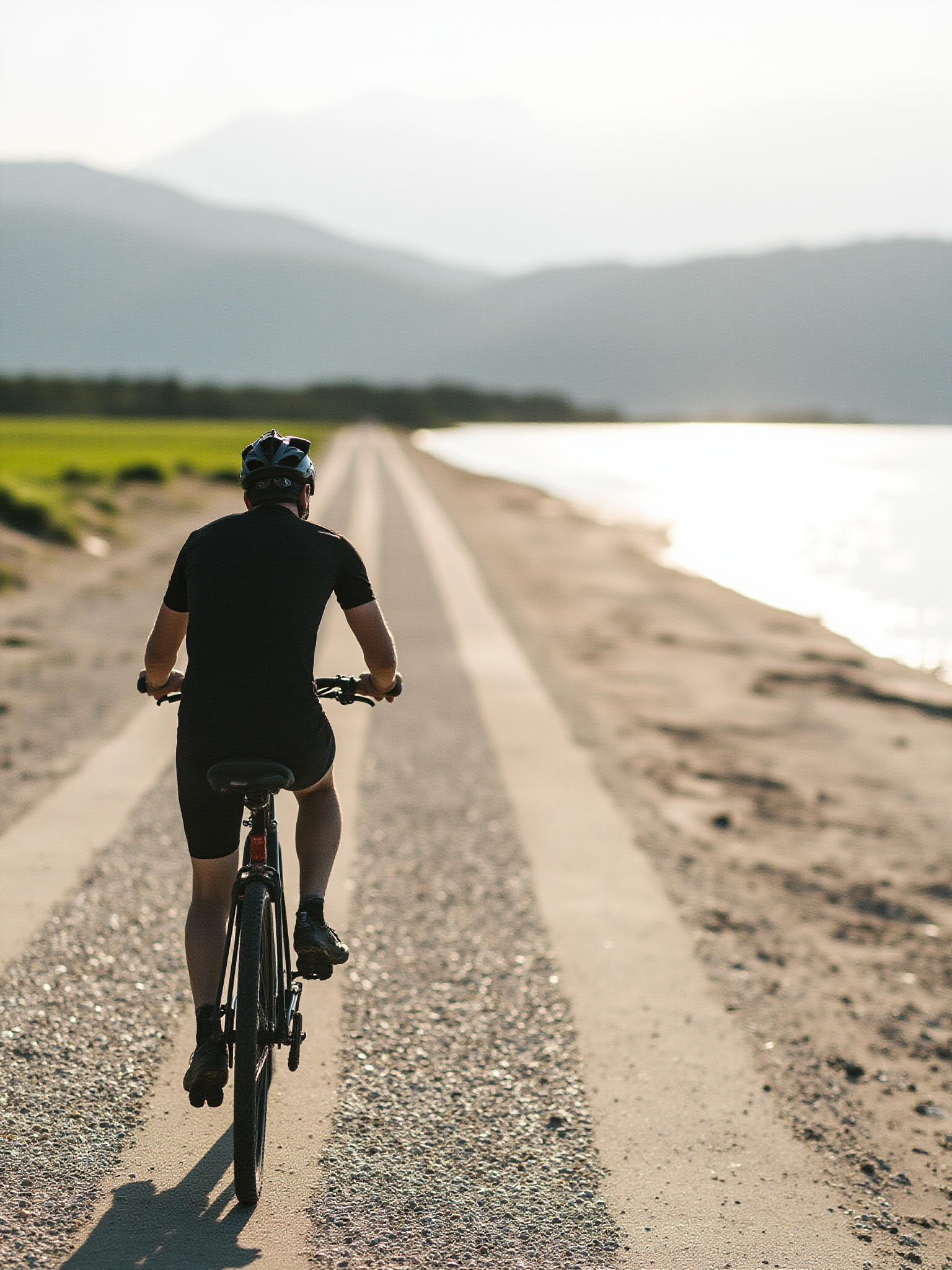
The dyke trail running along Boundary Bay is one of the best cycling routes in Metro Vancouver for flat, traffic-free riding with consistently good scenery. The main trail runs between Centennial Beach and Ladner Harbour Park, connecting Tsawwassen to the Ladner waterfront along a route that is almost entirely away from road traffic. The distance from Centennial Beach to Ladner is roughly 16 kilometres one way, making a return trip a solid half-day ride without requiring exceptional fitness.
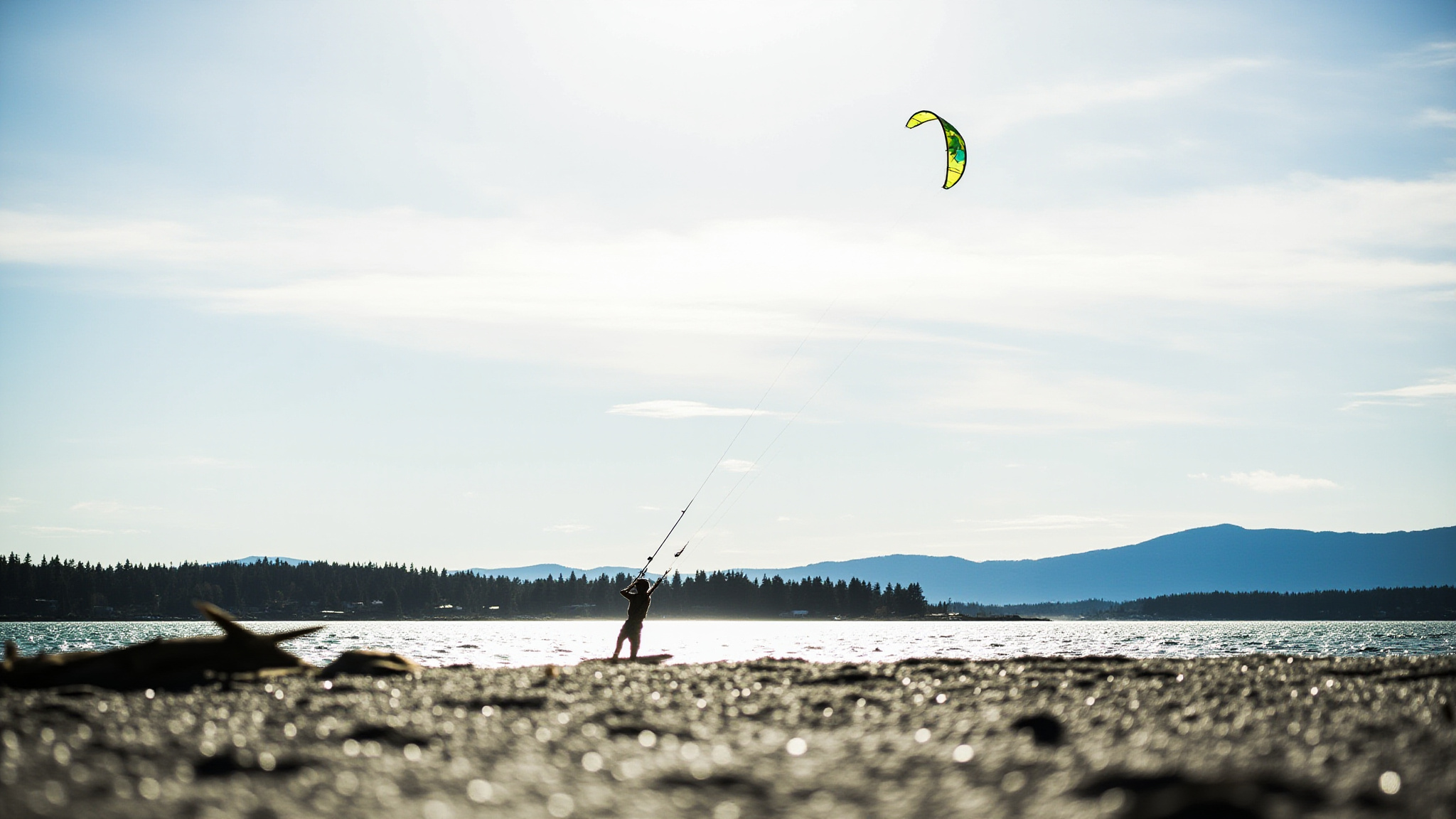
Kite surfing is well established at Boundary Bay, taking advantage of the reliable afternoon sea breeze that develops on most summer days. The shallow tidal flats and the flat water conditions make Boundary Bay more forgiving than many BC coastal sites, and the kite surfing community has been active here for years. Lessons and equipment are available from local operators, and experienced kiters regularly use the site from spring through fall.
The dyke trail is also popular with birdwatchers using bicycles to cover more ground along the waterfront. The flat terrain and lack of vehicle traffic makes it an accessible birding route for those who want to cover the full length of the bay in a single session. Combining a cycling session with a scope or binoculars and the E-bird recent sightings database makes for a productive morning.
Getting to Boundary Bay and Practical Tips
Boundary Bay Regional Park is accessible from Tsawwassen via 12th Avenue and Boundary Bay Road. The main parking area at Centennial Beach has capacity for several hundred vehicles but fills completely on hot summer weekend afternoons by mid-morning. Arriving before 10 a.m. on busy summer days is strongly advisable. Secondary parking areas along the dyke access roads provide overflow capacity but fill quickly as well.
The park has washroom facilities at Centennial Beach and limited facilities at other access points along the dyke. Centennial Beach has a seasonal concession in summer. There is no food service along the dyke trail itself, so bringing water and snacks is practical for longer walks or rides.
Boundary Bay Regional Park is managed by Metro Vancouver Parks. Dogs are permitted on leash along the dyke trail but not on the beach during the summer season when lifeguards are on duty. The shorebird concentration areas on the tidal flats should be respected with distance to avoid flushing the birds, particularly during the peak fall migration periods when resting flocks are vulnerable to disturbance.
Planning Your Boundary Bay Visit
Summer swimming visits should target weekday mornings or early weekend mornings to avoid the parking crunch at Centennial Beach. The beach is at its best in July and August when the tidal flat temperatures peak. Checking the tide table and timing your arrival for low tide gives you the widest beach and the warmest shallow water.
Birding visits are most rewarding in fall and winter. For shorebirds, the period from late July through September is best, with peak numbers typically in August. For raptors, November through February is the prime window, particularly the late afternoon hours near dusk. The E-bird hotspot page for Boundary Bay shows recent sightings and is the best planning resource.
For cycling, the full dyke trail from Centennial Beach to Ladner Harbour Park is a rewarding route at any time of year. Spring and fall offer the best combination of comfortable temperatures and interesting wildlife. The trail can be extended by connecting to the Ladner waterfront and the other Delta dyke trails, which allows for significantly longer routes.
Boundary Bay Tips
Arrive early on summer weekends. The Centennial Beach parking lot fills before 11 a.m. on hot summer days and the secondary lots along Boundary Bay Road follow. There is no realistic alternative to parking in the designated areas, so early arrival is the only reliable strategy.
Bring a scope or binoculars if you have them, regardless of whether birding is your primary purpose. The views across the bay and the wildlife activity on the tidal flats are interesting even for casual observers, and a basic pair of binoculars transforms the experience considerably on the dyke walk.
Mount Baker across the border in Washington State is visible from the Boundary Bay dyke on clear days and provides a dramatic backdrop to the eastern end of the trail. The best views are typically in the morning before the afternoon haze develops. A clear winter morning on the dyke with Mount Baker lit by low sun is one of the better outdoor experiences in Metro Vancouver.
The dyke trail between Boundary Bay and Ladner passes through significant agricultural land that is actively farmed. The flat fields attract raptors and other wildlife that use the open farmland for hunting, making the agricultural sections of the trail as interesting from a wildlife perspective as the beach sections.
Questions Often Asked
Can you swim at Boundary Bay?
Yes. Boundary Bay is one of the best swimming beaches in Metro Vancouver because the shallow tidal flats heat the surface water to temperatures that are actually comfortable in summer, unlike most BC ocean beaches. Centennial Beach has lifeguards on duty during the summer season and is the main swimming area. The best swimming conditions coincide with low tide when the tidal flats are exposed and the shallow water is warmest.
Is Boundary Bay good for birding?
Boundary Bay is one of the best birding locations in British Columbia and is internationally recognized as an Important Bird Area. Fall shorebird migration brings hundreds of thousands of birds to the tidal flats, and winter raptor concentrations including peregrine falcons, short-eared owls, and rough-legged hawks draw birders from across the province. The dyke trail provides excellent access to the habitat throughout the year.
How long is the Boundary Bay dyke trail?
The main dyke trail runs approximately 16 kilometres from Centennial Beach to Ladner Harbour Park, connecting Tsawwassen to the Ladner waterfront. The trail is flat, traffic-free, and suitable for both walking and cycling. The full return distance of 32 kilometres makes a solid half-day cycling outing. Shorter sections can be walked from any of the access points along Boundary Bay Road.
When is the best time to visit Boundary Bay?
It depends on your purpose. For swimming and beach activities, July and August are the best months, with warm shallow water on the tidal flats and full summer facilities at Centennial Beach. For shorebird migration, late July through September is the peak window. For raptors and winter birding, November through February is the most productive period. For cycling and walking, spring and fall offer the best combination of comfortable temperatures and wildlife activity.